
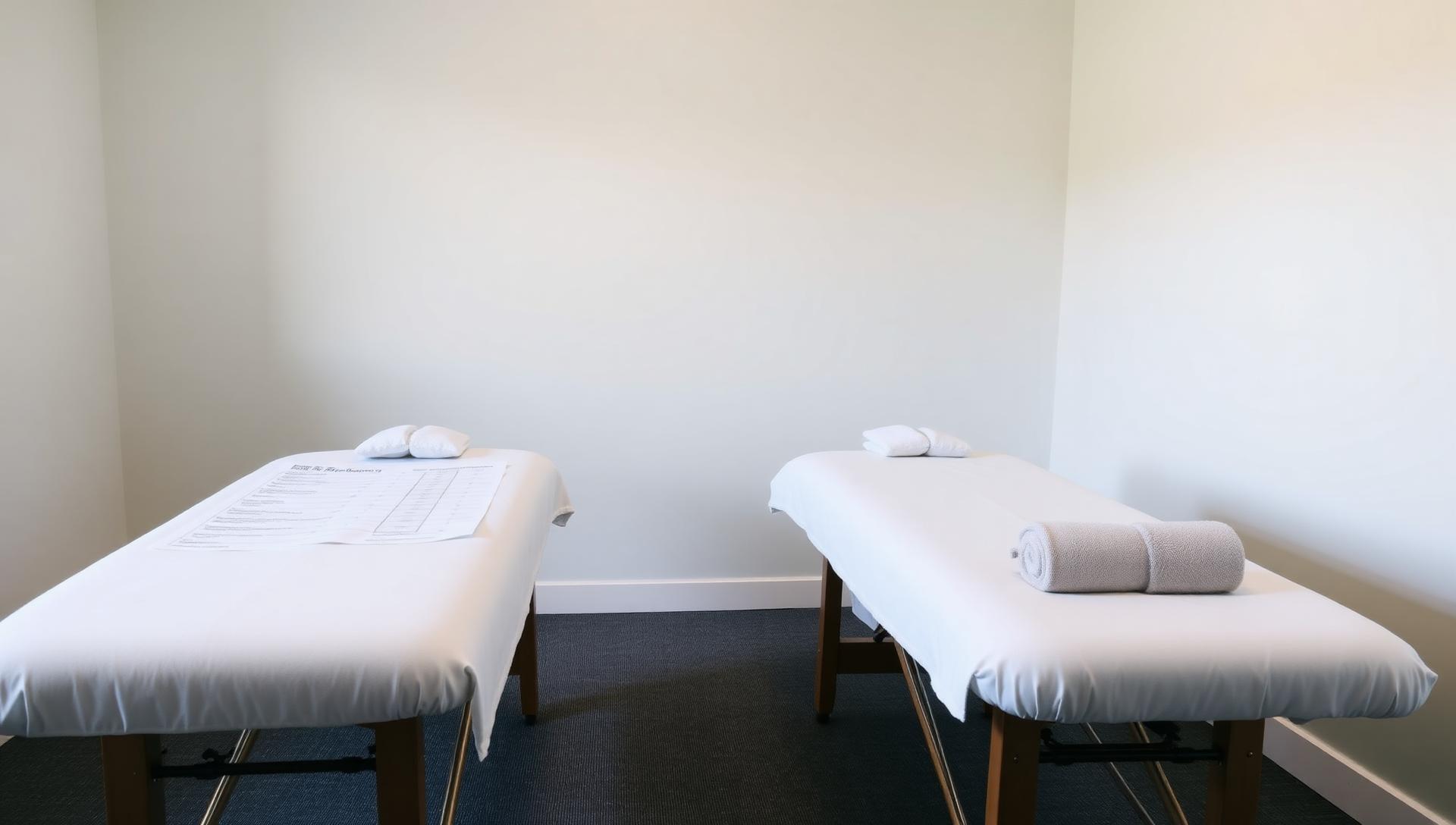
NST, Massage Therapy, and Sports Massage
How Neurosomatic Therapy compares to massage therapy, sports massage, and deep tissue work — and when each one is the right fit.
How NST differs from massage therapy
Neurosomatic Therapy is often thought of as a specialized type of Massage Therapy. Although it does incorporate various massage techniques for treatment, the two are different in terms of what to expect treatment wise. Massage Therapy can be a very powerful tool for many people and is often used for relaxation purposes. Neurosomatic Therapy is also a powerful tool, and is used for targeting the deeper root causes that are creating the stress, tension, and pain in the first place. Both modalities are incredibly powerful, but the main difference is that NST is more targeted and geared toward achieving your goals.
A therapeutic massage, medical massage, myofascial release, or trigger point session usually starts with the tight muscle and works on it directly. NST starts with a postural assessment from the cranium to the feet, then uses hands-on soft tissue work to address the compensation pattern that is pulling those muscles into tension in the first place. Sofia is a licensed massage therapist (NJ LMT) and the work draws on those techniques, but the goal is structural change, not relaxation.
Sports massage, deep tissue, and NST
Sports massage and deep tissue massage are great options for active people working on muscle soreness, muscle recovery, and general tightness between training sessions. Sports massage tends to use deeper pressure, stretching, and targeted work on the muscle groups you train hardest. Deep tissue describes the depth of pressure rather than a specific goal.
NST overlaps with both — sessions can address the same regions athletes commonly ask about, like the hips, low back, shoulders, neck, and forearms. The difference is what guides the hands-on work. In NST, the postural assessment maps which muscles are over-firing because of a compensation pattern, and treatment follows that map. For an athlete dealing with a recurring strain, a chronic tight side, or pain that keeps coming back in the same spot after every sports massage, NST is built to address that pattern at the source.
When regular massage may be enough
Regular massage therapy is a strong fit when the goal is general relaxation, occasional muscle tension relief, recovery after a hard week of training, or stress reduction. If a monthly therapeutic, deep tissue, or sports massage leaves you feeling reset and the same symptoms don't keep returning, that's a good signal that massage alone is doing its job.
When to consider NST
Consider Neurosomatic Therapy when soreness, stiffness, spasms, or muscle tension keep coming back in the same area, when massage feels great for a day or two and the tightness returns, or when a specific issue — TMJ, sciatica, headaches, frozen shoulder, neck and back pain, carpal tunnel, thoracic outlet symptoms, scoliosis pain, fibromyalgia, or another chronic pattern — has not responded to standard care. The postural assessment is included in every session and is what makes the hands-on work targeted instead of generic.
Muscle tension, soreness, stiffness, and spasms that keep coming back
Muscle tension, sore muscles, a stiff neck or stiff back, recurring muscle spasms, and tight muscles or muscle knots are some of the most common reasons people search for massage therapy or sports massage. Short term, soft tissue work in any style can help. When the same symptom keeps returning in the same place — upper back tension, neck tension, jaw tension, low back tightness, recurring leg or hip tightness — the body is usually compensating for something further up or down the chain.
NST is designed for that pattern. The postural analysis identifies where the compensation is being generated, and the hands-on session addresses the upstream contributors along with the symptomatic muscles, so the change has a better chance of holding.
Common questions about sports massage and NST
- Is Neurosomatic Therapy the same as massage therapy?
- No. NST is a corrective manual therapy practiced by a licensed massage therapist. It uses some massage techniques but is built around a postural assessment that targets the compensation pattern under the symptom, rather than general relaxation work.
- What is sports massage?
- Sports massage is a style of massage therapy focused on athletes and active people. It typically uses deeper pressure, stretching, and targeted work for muscle soreness, stiffness, and recovery between training sessions.
- What is the difference between sports massage and deep tissue massage?
- Deep tissue describes the pressure and depth of the work. Sports massage describes the goal: recovery, performance, and reducing soreness around training. Many sports massage sessions use deep tissue techniques, but not every deep tissue session is sports focused.
- Why does pain come back after massage?
- Massage can release tight muscle for a day or two, but if the underlying postural pattern is still pulling the body into the same position, the same muscles tighten again. NST is built to address that pattern, not just the tight spot.
- What kind of massage helps muscle tension?
- Therapeutic, deep tissue, myofascial, and trigger point work can all ease muscle tension in the short term. NST goes further by mapping where the tension is being generated and addressing it through the postural chain.
- Can massage help muscle stiffness?
- Yes. Hands-on soft tissue work can improve stiffness in the neck, back, shoulders, and hips. If stiffness keeps returning in the same place, the postural assessment in an NST session helps identify why.
- Can massage help muscle spasms?
- Soft tissue work can calm an active spasm and reduce how often it recurs. NST adds the structural piece by addressing the muscles upstream and downstream that are forcing the spasming muscle to overwork.
- Is it normal to be sore after sports massage?
- Mild soreness for a day or two is common after deeper work, similar to soreness after a hard workout. Sharp pain, bruising, or symptoms that worsen for more than a few days are not expected.
- Does sports massage help recovery?
- Yes, for circulation, perceived soreness, and getting muscle tissue moving between training sessions. For recurring injuries or compensation patterns, NST is a more targeted option.
- Can sports massage help sciatica?
- Massage can reduce gluteal and low back tension that contributes to sciatic symptoms. For sciatica that keeps returning, NST looks at the pelvic, lumbar, and piriformis pattern feeding the nerve compression.
- Does massage therapy help headaches?
- Yes. Neck, jaw, and suboccipital work often reduces tension headache frequency. NST goes further by addressing the forward head and cervical pattern that drive the headache cycle.
- Can massage help TMJ or jaw tension?
- Yes. External masseter, temporalis, and neck work can ease jaw tension and clenching. NST treats the cervical and scapular pattern around the jaw in the same session so the change holds.
Curious if NST is right for you?
Book a session and find out from a postural assessment.